Watercolor Clipart, Mountain Scenery: Graphics for Crafts
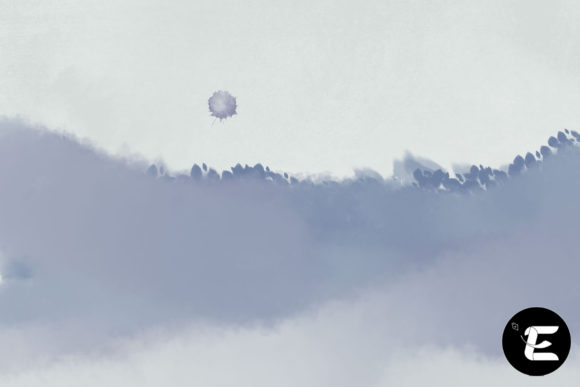
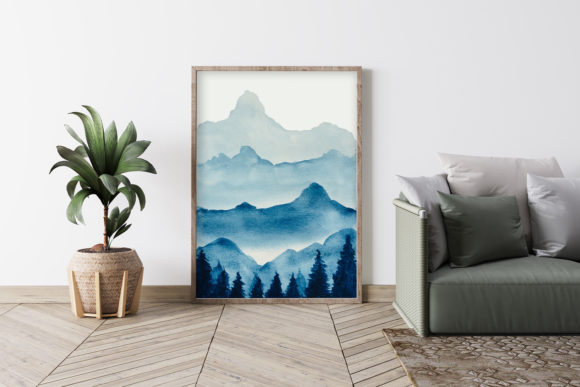
When I opened the file folder for Watercolor Clipart, Mountain Scenery, the first thing I noticed was how effortlessly the hand-painted watercolor texture communicated a sense of calm. This isn't a loud, overly digitized illustration. The brush strokes feel organic, the color transitions are soft, and the mountain silhouettes have that gentle, misty quality that works for so many different types of handmade products. If you sell on Etsy, run a print-on-demand shop, or build digital download bundles for crafters, this kind of asset immediately sparks ideas for nature-inspired collections, cabin decor, and outdoor lifestyle brands.
The mood sits somewhere between rustic adventure and quiet elegance. It’s not overly playful or cartoonish, nor is it aggressively minimalist. I’d describe it as warm, approachable, and slightly nostalgic. That’s a sweet spot for audiences who buy wall art for their home, planners with nature themes, or even small business owners looking for blog graphics that feel human and handmade. The visual personality of the clipart is versatile enough to attract hikers, campers, mountain lovers, and anyone who wants a touch of the outdoors in their everyday products. For sellers, that means broader market appeal without the design feeling generic.
First Impressions from a Seller’s Perspective
As someone who tests graphic design assets before ever listing a finished product, I always look at how the artwork prints on a physical mockup, how it reads as a thumbnail, and whether it works with different font pairings. With this digital product, the watercolor effect holds up beautifully at a larger scale—think 8x10 inch printable wall art or a 12x12 inch pillow cover. The soft washes of blue, green, and earthy gray give it a premium, handmade feel that can instantly elevate a product listing. In a crowded creative marketplace, that perceived value is what helps a design stand out from clipart that looks too flat or obviously computer-generated.
I also noticed that the scene composition is well-balanced. The mountain range isn’t overcrowded with too many details, which makes it a strong candidate for adding text overlays—a must for many printable designs like greeting cards, invitation templates, or social media quote graphics. The negative space around the mountains gives you room to add a sans serif font for a modern look, a delicate script font for wedding stationery, or even a bold handwritten font for a youth adventure brand. That flexibility is what I always search for in a commercial design asset.
How This Mountain Scenery Fits a Real Product Collection
Let me walk through a real scenario. Imagine you’re preparing a spring or summer collection for your Etsy shop or Creative Fabrica store. The theme is “Mountain Escape” and you want a cohesive set of items that can be bundled together to increase average order value. You start with the Watercolor Clipart, Mountain Scenery as the core visual. That same illustration can be repurposed across multiple formats, enabling you to sell a design bundle that includes a PNG design file for crafters, a pre-made Canva template for social media, and a high-resolution printable for wall art. The hand-painted nature of the watercolor ensures that even when you scale it down on a phone case or up on a tote bag, it retains that artisanal charm.
From a print-on-demand standpoint, I’d test this on a distressed canvas tote, a cream-colored mug, and a set of coasters. The earthy tones of the mountain scene usually translate well to sublimation, but you have to check the color profile carefully. I’ve seen watercolor designs lose vibrancy when printed on polyester mugs, so I always order a sample before committing to a full product listing. For a sublimation design, the soft gradients can be a blessing—they hide minor printing imperfections better than solid vector blocks. That’s a practical advantage when you’re selling to customers who expect a consistent, high-quality finish.
Product Applications That Just Work
Based on my testing, here’s where this clipart really shines:
- Printable Wall Art: The watercolor texture looks stunning when printed on textured fine art paper or even simple matte cardstock. It’s an instant best-seller for nursery decor, cabin interiors, or minimalist living rooms.
- Pillow Covers and Home Decor: The natural scene translates beautifully onto linen or cotton pillows, adding a cozy, organic feel without being too busy.
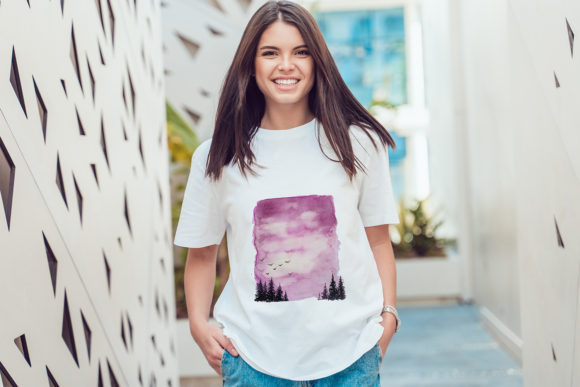
- T-Shirt Designs: For outdoor brands or hiking clubs, the mountain imagery works well on a soft, heathered shirt. Pair it with a retro font for a vintage national park vibe.
- Tumbler Wraps and Coasters: The circular composition (if cropped) fits tumbler dimensions nicely, and the watercolor effect hides minor alignment issues.
- Greeting Cards and Invitations: A simple mountain scene with a heartfelt message is a popular choice for thank-you cards, wedding invites, or sympathy notes.
- Social Media Templates: Bloggers and small business owners can use the PNG design as a backdrop for quotes or announcements, matching their brand identity without needing design skills.
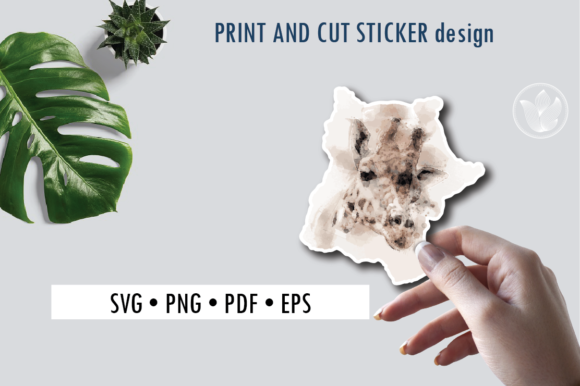
For Cricut projects and SVG designs, you need to consider the complexity of the cut lines. If this set includes an SVG file, I’d check how the mountains are layered. Watercolor textures normally don’t convert well to clean cut paths, so you might need to simplify the silhouette for adhesive vinyl or iron-on. In my experience, this type of artwork is better suited for print-then-cut stickers or decals rather than multi-layered vinyl cuts. For a sticker design, the soft edges of the watercolor are perfect for planner stickers or laptop decals, giving a hand-painted look that feels exclusive.
Where You Need to Be Cautious
Not every product idea is a perfect match. I’ve learned to avoid using watercolor illustrations on very small, detailed items where the delicate shading can get lost. For example, a tiny 1-inch sticker might just look like a blurry blob. Similarly, if you’re designing a text-heavy Canva template for a business presentation, the mountain scene might compete with the information rather than support it. In those cases, I’d use a subtle, faded version of the art as a background, but only if the contrast is high enough.
Another risk is placing this design on a dark background. The watercolor’s soft edges and light washes can appear muddy or washed out on black. I always test the product mockup on both a light and a dark surface before listing. If the transparent PNG shows a faint white halo around the edges, that’s a red flag, especially for print-on-demand t-shirts where the halo can ruin the final result. Check the file resolution: I’d expect at least 300 DPI for physical products and verify that the transparent background is truly clean.
For Cricut users who want to cut the design as a vinyl decal, test the SVG file in Cricut Design Space first. Look for broken paths, overlapping nodes, and tiny stray shapes that can cause the machine to cut unnecessary lines. A well-prepared SVG design should be clean and easy to weed, but watercolor styles often require manual tracing adjustments. If the set doesn’t come with a ready-to-cut SVG, I’d simply market it as a printable digital download instead of a cutting file.
Testing the Asset Before You Publish a Listing
My rule of thumb for any digital product I plan to sell is to run a quick mockup test across three different product types. For this mountain scenery, I would create a framed wall art preview, a mug design, and a square pillow cover. I’d then check how the thumbnail looks at a small size, because that’s what a buyer sees first in an Etsy search result. The gentle colors of this illustration tend to stand out well against a clean white background, but I’d also test a natural kraft paper background to see if it enhances the rustic appeal. Thumbnail appeal is everything in a crowded creative marketplace.
When organizing the files for customers, I always include a clear naming convention and a simple PDF with usage tips. Even if the license allows commercial use, I remind buyers to check the commercial license terms for specific restrictions on print-on-demand or mass production. A good design asset provider will have these details transparent, and as a seller, it’s my responsibility to pass that clarity on to my customers. I’d also pair the artwork with a few font suggestions in the listing description—something like a classic serif font for a timeless look, a modern sans serif for clean branding, and a flowing script font for a romantic invitation.
Boosting Your Product Presentation with This Artwork
The way you present a graphic design asset can make or break its success. For this watercolor mountain scene, I’d use a lifestyle mockup that shows the design in a real home setting—maybe a framed print on a wooden shelf next to a cup of coffee, or a tote bag slung over a chair in a sunlit room. This kind of visual storytelling builds trust and helps customers imagine the product in their own lives. It also reinforces the handmade business aesthetic, which is crucial for craft sellers who want to stand out from mass-produced merchandise.
If you’re building a design bundle, consider adding coordinating elements like pine trees, sun shapes, or camping icons in a similar watercolor style. A cohesive bundle increases the perceived value and encourages multiple purchases. For social media graphics, the mountain scene can serve as a consistent visual anchor across your Instagram posts or Pinterest pins, strengthening your small business branding without needing a lot of design time. I’ve used similar assets to create a series of nature quote posts that bring in steady traffic to my blog, and the soft watercolor look gets far more saves than generic stock photos.
Final Seller Notes Before You Hit Publish
After spending a few hours testing this Watercolor Clipart, Mountain Scenery on various mockups, I’m confident it’s a solid addition to a digital product creator’s toolkit. The hand-painted watercolor texture, the versatile mountain composition, and the broad commercial potential make it a practical choice for many crafts and graphics applications. That said, always test your own print colors, check the cut quality if you’re offering SVG files, and confirm the commercial license covers your intended use—especially for print-on-demand or physical product sales.
Organize your files clearly, highlight the versatility in your listing description, and use real mockups to show the design in action. Pair it with a thoughtful font selection, and you’ll have a product that feels both professionally crafted and genuinely handmade. For Etsy sellers, print-on-demand entrepreneurs, and creative small business owners, this mountain scenery is one of those design assets that can quietly anchor a seasonal collection or become a staple in your shop’s inventory.