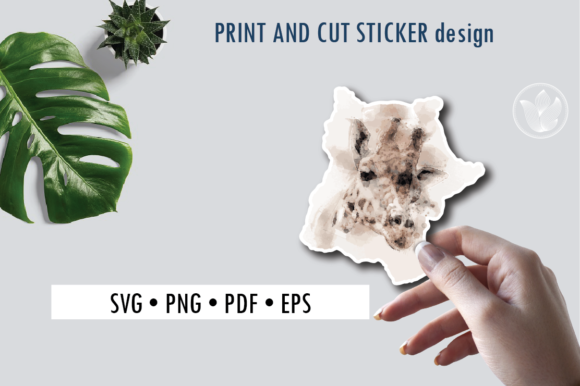
Giraffe Watercolor Sticker: Graphics & Crafts Review
As an experienced blog designer and digital publisher, I evaluate hundreds of graphic design assets each year, looking for pieces that can move seamlessly from a digital download folder into real editorial workflows. The Giraffe Watercolor Sticker caught my attention immediately. Its soft, hand-painted watercolor texture and gentle animal silhouette feel less like a typical craft supply and more like a thoughtful visual accent waiting to be used in blog graphics, website headers, and social media content. The digital package includes SVG, EPS, PNG, and PDF files—a practical combination that gives publishers, content creators, and small business owners the flexibility to use this design for stickers, signs, wall decor, and far more. But the real test is how it performs when you place it inside a content publishing environment. I ran it through several common use cases—featured images, newsletter banners, Pinterest pins, and downloadable lead magnets—to see if it can genuinely support stronger visual communication and reader trust.
First Impressions: A Watercolor Asset That Feels Editorial-Ready
Opening the files, the first thing I noticed was the balance between artistic looseness and clean edges. The watercolor giraffe has a whimsical, almost storybook quality that immediately softens a page layout. This isn’t a rigid vector icon; it’s a decorative graphic that carries a sense of handcrafted warmth. For bloggers and digital publishers, that emotional undertone matters. A design asset that feels too synthetic can lower the perceived quality of an article, while one that feels artfully made can lift the entire visual identity of a brand. The Giraffe Watercolor Sticker sits in that sweet spot—modern enough for contemporary web design, yet playful enough to feel approachable. It naturally leans toward lifestyle, parenting, nature, creative education, and even gentle wellness niches. The color palette is soft, so it blends into editorial layouts without competing with headline text, making it a safe choice for content creators who need decorative elements that don’t overwhelm the message.
Why the Hand-Painted Look Matters for Blog Graphics
In a publishing landscape saturated with generic stock imagery, watercolor illustrations offer a distinct editorial advantage. They signal originality and care. When I place this giraffe sticker on a blog featured image or a Pinterest pin, it immediately adds a layer of tactile personality. The eye reads it as something crafted rather than mass-produced. That perception can improve click-through potential because the graphic feels more trustworthy and less like an ad. For affiliate marketers and content-driven websites, using a design asset like this inside lead magnets, digital guides, or printable resources can subtly reinforce the message that the content behind the image is crafted with the same attention to detail. The Giraffe Watercolor Sticker isn’t just a cute animal; it’s a visual cue that the publisher values aesthetics and reader experience.
Where This Giraffe Graphic Shines in Real Content Publishing
I tested the asset across several real-world publishing scenarios. The most obvious win is in Pinterest pins and social media graphics. Because the giraffe illustration is contained within a sticker-like framing, it works beautifully as a focal point on a pin without requiring heavy design work. Add a short headline in a complementary serif or script font, and you have a pin that stops the scroll. The same applies to Instagram story graphics and Facebook post previews. The soft watercolor texture prevents the image from feeling too corporate, which is critical for lifestyle bloggers and creative entrepreneurs who need to maintain a warm, personal brand identity.
Pinterest Pins and Social Media Graphics That Stand Out
I built a quick Canva template using the PNG file and found that the giraffe element stayed crisp even after resizing. The transparent background meant I could layer it over a soft pastel gradient or a textured paper background without any harsh edges. For a blog post about children’s nursery decor or a wildlife-themed educational article, this graphic would make an ideal pin hero. The commercial design potential here is significant—if you create digital products or printables to sell, the SVG and EPS files let you incorporate this watercolor giraffe into your own designs with full editing control. Just be sure to check the commercial license terms before using it on monetized products or affiliate content pages.
Transforming Blog Headers and Category Thumbnails
Category thumbnails and blog archive headers often suffer from visual inconsistency. A carefully placed decorative element can unify them. The Giraffe Watercolor Sticker works well as a small brand accent—imagine a row of category cards on a lifestyle blog, each with a subtle, matching watercolor animal in the corner. This giraffe design could easily become part of a larger visual system that helps readers recognize content types at a glance. For a content marketing strategy that relies on strong visual hierarchy, such small touches make a difference. The asset is also effective in newsletter headers and email footer graphics, where soft, non-distracting illustrations can add charm without stealing focus from the call to action.
Building Visual Hierarchy and Reader Trust with Decorative Assets
One of the most overlooked aspects of editorial design is the role that decorative graphics play in guiding the reader’s eye. When placed intentionally, a watercolor sticker like this can act as a gentle anchor point. In a long-form blog post, I might use it to break up sections or to mark the start of a new content block. In a downloadable digital guide or worksheet, it can frame a key takeaway or quote. The key is consistency—using the same graphic style across multiple touchpoints reinforces brand identity. For small business websites and creative blogs, investing in a cohesive set of design assets like this giraffe sticker can elevate the entire content experience from amateur to professionally polished. The Giraffe Watercolor Sticker supports this by being versatile enough to appear in featured images, lead magnets, and even media kits without looking repetitive.
Practical Publisher Notes: Testing Across Platforms and Layouts
Before committing any graphic design asset to a live publishing workflow, I always run a series of checks. First, I tested the Giraffe Watercolor Sticker on both desktop and mobile screens. The watercolor detail held up well at larger sizes, but at a very small thumbnail scale—like a 150px-wide category icon—the giraffe silhouette was still recognizable. However, I would avoid placing it on extremely text-heavy blog images where it might compete with the headline. I also tested it against low-contrast backgrounds; the soft hues can wash out on a pale cream or white backdrop, so a slight background tint or shadow helps the sticker pop. I previewed it inside a real blog layout, positioned next to serif fonts, sans-serif fonts, and a handwritten script font. The giraffe paired beautifully with all three, though it felt especially at home with a friendly sans-serif or an elegant script. In black and white, the watercolor texture lost some of its charm, so I’d recommend keeping it in color for best results.
File Types and How to Use Them in Your Workflow
The download includes an SVG, EPS, PNG, and PDF file. The SVG and EPS formats are ideal if you need to scale the graphic for large prints or customize colors in vector software. The PNG file is ready for direct use in Canva, blog posts, and social media graphics. The PDF is a nice bonus for printable design projects. For web use, I always compress the PNG to keep page load times fast—a small but critical step for SEO and user experience. The file sizes are reasonable, and with proper compression, the giraffe sticker adds visual interest without bloating your site’s performance.
Licensing and Commercial Use Awareness
One of the most important practical notes for any digital publisher is licensing. Before using the Giraffe Watercolor Sticker on a monetized website, in an affiliate marketing campaign, or inside a paid downloadable product, confirm that the commercial license included with the purchase covers those uses. Many creative marketplace assets come with limits, and it’s always safer to read the terms carefully. If you plan to include the giraffe in a digital product you sell—like a printable wall art or a Canva template bundle—ensure the license allows resale or redistribution. This attention to detail protects your content business and maintains trust with your audience.
Where This Asset Works Best—and Where to Use Caution
Based on testing, the Giraffe Watercolor Sticker excels in hero images, article thumbnails, Pinterest pins, editorial accents, content upgrades, downloadable resources, category visuals, newsletter headers, and social media previews. It brings a decorative, modern, and slightly playful feel that suits creative and lifestyle niches. However, I’d use it carefully on small mobile thumbnails if the design becomes too intricate, on text-heavy blog images where it might distract, or on websites that require a very minimal or corporate visual system. It’s not the right fit for serious professional niches like law or finance, but for creative businesses, educators, parenting blogs, and nature-focused content, it’s a smart addition to your visual toolkit.
Final Thoughts: A Crafts Graphic That Elevates Editorial Design
The Giraffe Watercolor Sticker is more than a sticker; it’s a flexible graphic design asset that can quietly improve the visual hierarchy and brand identity of a content website. Whether you’re building a lead magnet, refreshing your blog’s featured image style, or creating a new set of Pinterest templates, this watercolor giraffe adds a gentle, artistic touch that feels both editorial and inviting. The digital download format gives you the control to use it across print and digital media, and the SVG and EPS files future-proof your designs if you ever need to scale or recolor. For bloggers, digital marketers, online educators, and creative entrepreneurs who understand that small visual details build reader trust and improve click-through rates, this is a worthy addition to the design assets folder. Just remember to test it inside your own layouts, pair it with readable fonts, compress the images for web, and always verify your commercial license before publishing.