Leopard in Watercolor: An Embroidery Designer’s Review
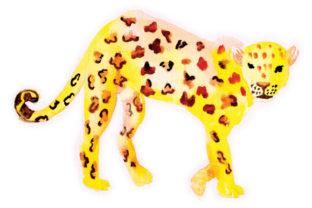
I’m sitting at my worktable, the Leopard in Watercolor file glowing on my screen, and I’m already picturing it stitched onto a soft oatmeal-colored sweatshirt for a client’s fall boutique collection. That’s the kind of design this is—it instantly sparks a product idea. The watercolor effect is soft, almost ethereal, and the leopard’s gaze is both calm and quietly intense. It’s not a cartoonish jungle animal; it’s a piece of art that would appeal to someone who loves subtle wildlife motifs and organic textures.
First Impressions: The Watercolor Mood and Artistic Personality
The leopard’s face is rendered in loose, flowing brushstrokes, with splashes of color that bleed into one another. The overall shape is recognizable but dreamy, not a hard-edged outline. This mood sets it apart from typical leopard embroidery designs that rely on bold spots and solid fills. Here, the watercolor style gives it a painterly, high-end feel. It’s the kind of design I’d never use on a basic item—it demands a fabric that can hold its own, like a raw silk pillow cover or a heavyweight cotton canvas tote. The Leopard in Watercolor feels like a quiet statement piece, and that’s exactly what customers who browse handmade shops are often looking for.
File Formats: What You’re Actually Getting and How to Use It for Embroidery
The product description lists SVG, Transparent PNG, EPS, and DXF. Those are all vector or high-resolution raster formats, which makes this a digital craft file rather than a plug-and-play embroidery file. For an embroidery designer, that’s actually a positive. The SVG and EPS give me clean, scalable paths to digitize from scratch. I can adjust the amount of detail, decide which watercolor splashes become satin stitches and which become light fill areas, and control the stitch density myself. The transparent PNG is a bonus for creating product mockups or listing photos before I even stitch a sample. So if you’re an embroiderer, you’ll need to digitize this design into a machine embroidery file (like PES or DST). If you’re not a digitizer, you’ll need to work with one who can interpret the watercolor effect into stitches. That’s an extra step, but it gives you complete creative control and ensures the final embroidery project truly reflects your vision.
Where This Leopard Shines: Real Products and Customer Reactions
I can see this design on a premium sweatshirt, where the watercolor texture becomes a soft, almost blended look using a multi-color thread palette. I’d test it on a cream or light gray background so the subtle color transitions don’t get lost. On a tote bag, it would turn a simple accessory into a piece of wearable art. For a baby onesie, I’d simplify the digitizing to keep the stitches light and skin-friendly, maybe using a single-color outline version derived from the vector file. The design also lends itself beautifully to a patch. Imagine a frayed-edge canvas patch with this leopard on a denim jacket—very boutique. For holiday gifts, I’d pair it with a monogram on a plush blanket or a tea towel, but only if I test the stitch count on that fabric first. As a personalized gift, the Leopard in Watercolor feels thoughtful and handpicked, not mass-produced.
The Tricky Parts: When Leopard in Watercolor Needs a Little Extra Thought
The watercolor splatters and fine brush details mean this design isn’t ideal for tiny hoops. I’d set a minimum of 4x4 inches, but prefer 5x7 or larger to preserve the artistic feel. On textured fabrics like terry cloth or chunky knits, the fine edges could get lost; I’d save it for smoother surfaces. Stretchy fabrics need a solid stabilizer and possibly a knock-down stitch to prevent distortion. Dark fabrics might swallow the lighter hues, so I’d always test on a swatch first. And if you’re planning to embroider on a cap, the curved surface could distort the leopard’s face—I’d probably stick to flat goods like tote bags, pillow covers, or the back of a jacket. A heavily layered garment or a product that needs frequent washing also demands extra care: the detailed watercolor areas might fray or lose definition over time, so I’d recommend a dense underlay and a soft cutaway stabilizer. The Leopard in Watercolor is forgiving, but it’s not a design I’d throw onto a rough work apron without serious planning.
How This Design Elevates Your Handmade Brand
A watercolor leopard isn’t mass-market. It’s for customers who appreciate artful, less obvious designs. In my shop, that translates to a higher perceived value and a product I can price at a premium. The painterly quality makes it look like a custom illustration, not something you’d find in a big box store. That builds trust and repeat buyers. For Etsy sellers and small shop owners, this design would photograph beautifully—the transparent PNG is perfect for styling those flat-lay shots with dried flowers and neutral fabrics. The leopard’s quiet confidence also works for unisex products, so you’re not limiting your audience. Whether you’re building a craft business around boutique apparel or adding a new line of nursery decor, the Leopard in Watercolor gives your brand a touch of effortless sophistication.
Before You Stitch: A Designer’s Checklist
I always run through these steps with any new design, especially one with a watercolor effect. These practical notes will save you from wasted fabric and disappointing results.
- Digitize with intention. Decide whether you want a thread-painted look (many color changes) or a simplified palette for faster production. The Leopard in Watercolor can go either way, but the watercolor blobs need careful pathing.
- Test on scrap fabric. Use the exact same fabric and stabilizer as your final product. The watercolor washes might look airy on screen but could turn into dense blobs if you’re not careful with fill stitch settings.
- Check thread color contrast. The leopard’s spots and the watercolor washes need enough contrast to read clearly. I’d test a few thread brands to find the right muted, earthy tones that still stand out.
- Review stitch density. Open areas of the design might need a light fill rather than a solid satin; otherwise, the fabric might pucker. I often reduce density by 10–15% for watercolor-inspired embroidery files.
- Run a black-and-white mockup. Convert the design to grayscale to see if the values hold up without color. That’s a quick way to check if the design will still look like a leopard on a monochromatic fabric.
- Consider the stabilizer. For a tote bag, I’d use a tear-away with a medium-weight cutaway. For a sweatshirt, a no-show mesh stabilizer works wonders. Always match the stabilizer to the fabric’s stretch.
- Confirm licensing. The product page doesn’t specify commercial use rights, so I’d reach out to the designer or check the shop’s policies before selling finished items. This is a craft file, so assume personal use unless stated otherwise, but always verify. If you plan to offer the Leopard in Watercolor on your handmade products for sale, a commercial license is a must.
- Digitize from the vector file. The SVG and EPS formats are your best friends here. Trace the main shapes and experiment with satin stitch borders and fill stitch shading. The transparent PNG helps you see the final color balance.
Is Leopard in Watercolor Worth a Spot in Your Embroidery Rotation?
For an embroidery designer who loves artistic, subtle designs and isn’t afraid of a little digitizing work, this leopard is a gem. It’s not a quick-stitch, mass-production file—it’s a design that will make your finished products stand out. The SVG and EPS formats give you the freedom to adapt it for embroidery, screen printing, or even laser engraving, so it’s a versatile addition to your digital design assets. I’d keep it in my back pocket for those custom orders where a client wants something ‘not too loud, but really special.’ When you treat the Leopard in Watercolor with the care it deserves, it rewards you with products that feel like heirloom pieces. From an Animals category that’s often saturated with realistic or overly cute motifs, this design carves out a quiet, artistic niche that many crafts entrepreneurs are searching for.