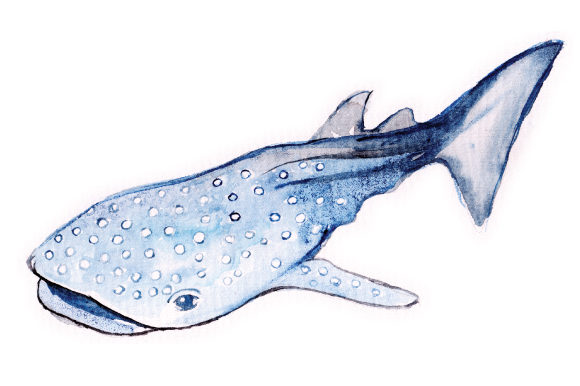
Watercolor Whale Shark Art for Crafts & Animal Blogs
When I first opened the Watercolor Whale Shark file, I immediately saw a design asset that feels both gentle and striking. The soft washes of blue and gray, the speckled texture that mimics real watercolor pigment, and the graceful silhouette of the whale shark create an editorial mood that is calm, artistic, and quietly confident. This is not a loud, cartoonish animal graphic. It reads as something hand-painted, thoughtful, and intentionally crafted for publishers who care about visual storytelling. For a blog designer or digital publisher, the first impression matters because it signals what kind of content this graphic will complement. With this particular asset, the answer is clear: it belongs in content that values beauty, depth, and a connection to the natural world.
The mood it creates leans toward the artistic and educational, with a subtle warmth that makes it suitable for lifestyle blogs, ocean conservation websites, homeschooling resources, and creative small business branding. It does not feel overly feminine or masculine, which gives it flexible range. You could place it on a marine biology blog just as easily as a children's craft tutorial or a printable art shop. The watercolor style softens the subject, making the whale shark approachable rather than intimidating. That is a key editorial consideration. When readers land on a page, the imagery sets the emotional tone before they read a single word. A graphic like this tells them the content will be thoughtful, visually rich, and worth their time.
What Niche This Graphic Naturally Supports
The Watercolor Whale Shark fits naturally into the Animals category, but it reaches beyond a simple wildlife illustration. Because of the watercolor medium, it also aligns with Crafts content, DIY project sites, printable art marketplaces, and creative education platforms. I could see this working beautifully on a blog that publishes ocean-themed unit studies for homeschoolers, or on a site that sells digital guides about marine life. It also feels right at home in the maker community, where crafters look for high-quality SVG and PNG files to use with cutting machines, iron-on transfers, and paper projects. The crossover appeal between Animals and Crafts gives this asset a wider editorial footprint than a standard clip art piece.
Content niches that would benefit from this graphic include family travel blogs covering aquarium visits, eco-conscious lifestyle sites, slow-living journals, and even wellness platforms that use ocean imagery to evoke calm. The visual language of watercolor signals authenticity and care, two qualities that readers increasingly value in a content-saturated world. When a publisher chooses a graphic like this, they are making a subtle statement about their brand identity. It says: we are not stock-photo generic. We are curated, intentional, and design-forward.
Real Publishing Scenarios Where This Asset Shines
In my workflow, I test every graphic design asset against real publishing scenarios. I imagine it inside a blog post, scaled down for a Pinterest pin, layered behind headline text, and placed in a newsletter banner. The Watercolor Whale Shark passes these tests with ease. It works as a featured image for an article about ocean animals, a category thumbnail for a crafts section, or a hero visual for a lead magnet promoting a marine life printable pack. Because it arrives as a transparent PNG, an SVG file, an EPS, and a DXF, the flexibility is built in. You can drop it onto colored backgrounds, layer it with text, or use it as a standalone focal point without fighting a white box border.
For bloggers who create Pinterest pins, this asset is a strong candidate. The watercolor texture adds visual interest without overwhelming the composition. When paired with a clean sans serif title and a soft background, the pin feels clickable and professional. In newsletter design, the whale shark can anchor a header or sit beside a welcome message, giving the email a handcrafted, editorial feel. For digital product creators, the SVG and DXF formats mean this graphic can be used inside Canva templates, printable wall art, and even physical craft projects sold through Etsy or a personal shop. The licensing flexibility is something every publisher should verify before using it on monetized websites or inside paid content products, but from a design standpoint, the possibilities are substantial.
How Visual Choices Affect Reader Trust
As digital publishers, we often underestimate how much visual hierarchy shapes reader perception. A blog that uses mismatched, low-quality graphics will struggle to build trust, even if the writing is excellent. The Watercolor Whale Shark elevates a page instantly. Its hand-painted quality signals effort and taste. When a reader sees it, they are more likely to perceive the content as authoritative and well-produced. This is critical for affiliate marketers, online educators, and small business owners who rely on credibility to drive conversions. A thoughtfully chosen graphic can improve time on page, reduce bounce rates, and strengthen the overall brand identity of a website.
One of the first things I check is how a graphic looks when reduced to a thumbnail. Many beautiful designs fall apart at small sizes. The whale shark holds up well. Its silhouette remains recognizable, and the watercolor texture does not turn into mud. This means it works for category thumbnails, related post grids, and mobile-friendly layouts where space is tight. Still, I recommend testing it on a real phone screen before publishing. What looks clear on a desktop monitor can lose impact on a smaller device. Preview it inside your actual blog layout, not just in isolation. Check how it interacts with your headline font, your background color, and your sidebar elements. These small checks make a significant difference in the final presentation.
Where This Design Performs Best
Based on my testing, the Watercolor Whale Shark excels in the following publishing contexts:
- Hero images and article headers for ocean, nature, and animal-themed content
- Pinterest pins that need a soft, artistic focal point
- Blog graphics for craft tutorials, DIY projects, and printable roundups
- Editorial accents inside digital guides, eBooks, and worksheets
- Downloadable resource covers for lead magnets and content upgrades
- Category visuals and navigation thumbnails on lifestyle and education sites
- Newsletter headers that benefit from a calming, nature-inspired welcome
- Social media graphics for Instagram, Facebook, and community platforms
- Canva template elements for users building their own branded content
In each of these scenarios, the asset supports stronger visual hierarchy and a more cohesive brand identity. It helps content look intentional rather than assembled. That is the difference between a blog that feels like a hobby and one that feels like a trusted publication.
Where Caution Is Needed
No graphic is perfect for every situation. I would use the Watercolor Whale Shark carefully in the following contexts:
- Small mobile thumbnails where the watercolor detail may fade
- Text-heavy blog images that require a clean, distraction-free background
- Low-contrast backgrounds that wash out the soft blue tones
- Busy layouts with competing visual elements that dilute the graphic's impact
- Corporate or serious professional niches that demand a more minimal visual system
- Websites with a very strict, grid-based brand style that may clash with the hand-painted aesthetic
The key is to be intentional. This asset brings warmth and artistry. If your brand voice is cool, clinical, or highly technical, the watercolor style might feel out of place. But for the vast middle ground of lifestyle, education, creative, and family-focused content, it slots in beautifully.
Font Pairing and Typography Compatibility
One of my favorite exercises is testing a graphic against different font styles. The Watercolor Whale Shark pairs well with a range of typefaces. Next to a clean sans serif, it feels modern and editorial. With a serif font, it reads as classic and literary. Beside a script or handwritten font, it leans into the handcrafted, personal feel that works so well for crafts and DIY content. With a bold display font, the contrast between the soft watercolor and the strong typography creates a dynamic, visually engaging layout. I recommend running your own font tests before committing to a final design. Place the graphic in your Canva or design software, add your headline text, and see how the composition feels. Small adjustments in placement, scale, and opacity can transform the overall result.
File Format Considerations for Publishers
Receiving this design in multiple formats opens up a wide range of publishing uses. The SVG file is ideal for scaling without quality loss, making it perfect for website headers, large banners, and print projects. The transparent PNG offers immediate drag-and-drop convenience for blog graphics, social media posts, and digital guides. The EPS file supports professional print workflows, and the DXF format is a bonus for crafters using cutting machines. From a web performance perspective, I always recommend compressing PNG files before uploading them to a content management system. Large image files slow down page speed, which hurts both user experience and search rankings. A well-compressed image preserves the visual quality while keeping the site fast and responsive.
Building a Consistent Visual Identity With One Asset
Small business branding and content marketing both rely on consistency. When a reader sees the Watercolor Whale Shark on a blog post, then again on a Pinterest pin, and later inside a digital download, they begin to associate that visual language with the publisher's brand. This repetition builds recognition and trust. A single well-chosen graphic design asset can anchor an entire content series. I have used similar watercolor animal illustrations to create cohesive visual systems across multiple blog categories, and the effect on reader perception is measurable. The site feels curated, the content feels premium, and the brand identity becomes clearer with every published piece.
For affiliate marketers, this matters even more. A polished visual presentation supports higher click-through rates and stronger conversion signals. When a product recommendation is accompanied by a beautiful, thoughtfully designed graphic, the reader is more likely to engage. The Watercolor Whale Shark can serve as the visual anchor for an affiliate roundup, a product review, or a resource page, tying the content together with a consistent, artistic thread.
Final Publisher Notes Before You Download
Before integrating the Watercolor Whale Shark into your content publishing workflow, take these practical steps. Test the graphic on desktop and mobile screens to confirm readability and impact. Preview it as a thumbnail inside your blog layout to ensure it remains recognizable at smaller sizes. Check contrast and legibility when text is layered on top. Try a black-and-white version to see if the silhouette still communicates effectively. Place it beside your most-used fonts to find the strongest pairing. Compress the file for web performance if you are using the PNG format. Confirm the commercial licensing terms before using it on monetized websites, affiliate pages, or paid content products. These steps separate a professional publisher from an amateur one, and they ensure that every visual element on your site works hard to support your content goals.
This graphic is more than a simple animal illustration. It is a versatile, artistic, and editorial-ready design asset that can elevate crafts content, animal features, educational resources, and branded digital products. In the hands of a thoughtful publisher, it becomes a small but powerful tool for building a more beautiful, trustworthy, and engaging website.