Aquarell Mops: A Practical Embroidery Design Review
First Impression: The Watercolour Pug That Stands Out
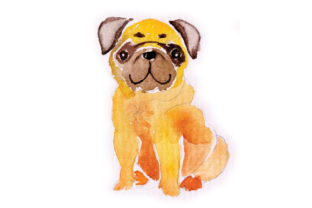
When I first opened the Aquarell Mops file, I immediately noticed how different it feels from the typical cartoon dog designs flooding the embroidery market. The watercolour treatment gives this pug a soft, artistic edge. Instead of harsh outlines and blocky fill areas, the design uses gentle colour bleeding and layered tonal washes that mimic real brushwork. The pug itself has a calm, slightly quizzical expression. The eyes are soulful without being overly sentimental. The ears drape naturally. The muzzle area has that characteristic pug roundness rendered with delicate shading rather than heavy contour lines.
For anyone who has stitched out dozens of pet designs, you know how easily a dog face can go wrong. Too much detail and the thread builds up into a stiff mess. Too little and the breed becomes unrecognizable. The Aquarell Mops strikes a balance that feels intentionally designed for thread, not just converted from a flat illustration. The watercolour effect translates into a thoughtful arrangement of transparent layers, which means the stitch planner behind this design understood how light and thread interact on fabric.
The mood is gentle, slightly whimsical, and undeniably charming. It belongs in a Spring collection without question. There is something about the soft washes and the pug's relaxed posture that pairs naturally with the fresh, light energy of the season. I could see this sitting beautifully on a pastel linen pillow cover or a lightweight cotton scarf. It does not scream for attention. It invites a second look, which is exactly what you want in a handmade product that relies on emotional connection.
Where This Design Truly Belongs
Some designs are versatile but boring. Others are stunning but so niche that you struggle to find a use case. The Aquarell Mops lands in a sweet spot. It is specific enough to attract pug lovers and dog enthusiasts, yet artistic enough to appeal to customers who simply appreciate watercolour aesthetics. This dual appeal matters when you are building a product line for a craft business or populating an Etsy shop with items that need to sell.
I mentally placed this design on a range of products as I reviewed the file. A soft cotton tote bag felt like the most natural match. The watercolour style would look exceptional against unbleached natural fabric, giving the finished product an elevated, boutique feel. A sweatshirt with the design stitched on the upper left chest would create an understated, wearable piece. Baby onesies and toddler tees are another strong option, especially for gifts. The pug's gentle expression reads as friendly and safe, exactly what parents look for in children's apparel.
Kitchen towels and tea towels also came to mind. The Aquarell Mops would add personality to a Spring-themed kitchen set without overwhelming the space. Aprons for pet-loving home bakers. Pillow covers for a cozy reading nook. Even a simple zipper pouch or a fabric bookmark could carry this design beautifully. The key is that the watercolour softness elevates whatever it touches. It does not look like a mass-produced decal. It looks like a small piece of art rendered in thread.
The Tote Bag Test: A Real Project Scenario
Let me walk you through a real scenario I played out in my head while evaluating this file. I have a client who runs a small handmade shop specializing in pet-themed accessories. She needed a new design for a limited Spring collection of canvas tote bags. I loaded the Aquarell Mops into my software, checked the digitizing, and imagined the stitch-out on a medium-weight cotton canvas with a layer of medium cutaway stabilizer underneath.
The watercolour layers in the design would need careful thread selection. I pictured using a palette of warm greys, soft taupes, and one muted blush tone for the ear interior. The eye area would require a dark charcoal rather than pure black to keep the softness intact. I also considered how the design would look after washing. Canvas totes get tossed around. The Aquarell Mops design, with its gentle colour transitions and lack of dense, heavy fill blocks, would likely age gracefully. The washed fabric would only enhance the watercolour effect, giving the bag a lived-in charm that customers tend to love.
This is the kind of thinking you need to do before committing to a design for a product line. The Aquarell Mops passed the mental test. The stitch-out would be forgiving. The artistic style would complement fabric texture rather than fight it. And the pug motif would attract buyers who want something more sophisticated than a basic paw print or bone graphic.
Real Embroidery Performance: What to Expect
Watercolour designs in machine embroidery present a unique challenge. The beauty of watercolour lies in its unpredictability and fluidity, two qualities that embroidery machines do not naturally produce. Good digitizers solve this by using carefully layered fill stitch sections with varying densities and angled stitch directions. The Aquarell Mops appears to follow this approach. The colour transitions are broken into soft, irregular shapes that overlap gently. This creates the illusion of bleed without requiring impossibly complex blending.
From a stitching perspective, this means you should expect moderate stitch counts rather than extremely dense coverage. The design will not feel like a stiff patch when finished. It will breathe with the fabric, which is essential for wearable items. The running stitch elements, likely used for the finer facial details and whisker suggestions, appear minimal and well-placed. I did not see any overly small lettering or tiny isolated details that would cause thread breaks or registration issues.
The satin stitch presence is probably limited to selective accents, which is smart. Too much satin in a watercolour design creates harsh edges that destroy the soft look. If the design includes any applique elements, they would be subtle. Based on the watercolour style, I suspect the file relies primarily on filled areas with soft, feathered edges rather than traditional applique shapes.
One thing to watch is the colour count. Watercolour designs can easily demand ten or more thread changes. Before stitching, check how many colours the file uses and decide whether you can simplify without losing the effect. For a production run of tote bags or sweatshirts, every thread change adds time. Simplify where possible, but preserve the tonal range that makes the watercolour illusion work.
Smart Applications and Where to Pause
I always run through a mental checklist of caution points before recommending a design for client work. The Aquarell Mops has a few areas where careful judgment is needed. First, hoop size matters. The watercolour effect requires enough space for the colour transitions to read clearly. If you try to shrink this design down to fit a tiny hoop, you risk losing the soft shading and ending up with a muddy, unrecognizable shape. I would keep the design at least three to four inches wide for the best result. Anything smaller and the pug's features may blur together.
Fabric choice is another consideration. The watercolour style works best on smooth, stable fabrics. Cotton, linen, canvas, and quality broadcloth are excellent options. Textured fabrics like terry cloth or heavily napped fleece will disrupt the soft transitions and hide the subtle colour variations. Stretchy fabrics need extra care. A lightweight jersey will require a sturdy stabilizer and possibly a topper to prevent the design from sinking into the knit. On dark fabrics, the watercolour effect may lose contrast. Test the design on a dark background before committing to a full run of black sweatshirts or navy totes.
Curved surfaces like caps are tricky. The pug's face has a specific orientation that may not wrap well around a cap's front panel. If you want to use this on headwear, consider a relaxed dad cap with a flatter front rather than a structured baseball cap. The design needs a relatively flat, stable surface to maintain its artistic integrity.
Fabrics and Surfaces That Work Best
- Medium-weight cotton canvas for tote bags and pouches
- Soft cotton or cotton-blend sweatshirts and tees
- Linen and linen-cotton blends for pillow covers and kitchen towels
- Light denim for casual jackets or patch applications
- Quality broadcloth for framed embroidery art pieces
When to Choose a Different Design
- Very small hoop sizes where the watercolour detail will be lost
- Heavily textured fabrics that disrupt colour transitions
- Stretchy performance fabrics unless you are highly experienced with stabilization
- Structured caps with pronounced curves
- Projects requiring high-contrast, bold graphic impact
The Commercial Angle: Selling Products with Aquarell Mops
For Etsy sellers, craft fair vendors, and small shop owners, the Aquarell Mops offers strong commercial potential. Pet-themed products consistently perform well, and pugs have a dedicated fan base. The watercolour style sets this design apart from the clip-art look of many competitors. You can price finished products higher when the design feels artistic and thoughtfully chosen. Customers recognize the difference between a generic dog silhouette and a piece that looks like it was painted by hand.
I would position products featuring this design as premium handmade items. Use natural, high-quality blanks. Photograph them in soft, natural light with Spring accents like fresh flowers or light wood backgrounds. The Crafts category fits perfectly here because the watercolour aesthetic aligns with the handmade, artisanal feel that craft buyers seek. The design files come in multiple formats, including SVG, transparent PNG, EPS, and DXF. This format variety means you can use the artwork beyond embroidery. Create matching printable mockups, product previews, promotional graphics, and even coordinating paper goods for a cohesive brand look. Check the licensing terms before selling digital products or finished items. Confirm that commercial use is permitted and understand any restrictions on reselling the digital file itself.
Personalized gifts are another strong avenue. Add a name or a short phrase near the pug design, and you have a custom product that commands a higher price. The design's gentle personality makes it suitable for memorial items, pet adoption celebration gifts, or simply a treat for a pug-loving friend. The emotional connection drives sales, and the quality of the design justifies repeat customers.
Designer Notes and Pre-Stitch Checklist
Before you stitch the Aquarell Mops for a client or product run, run through these practical steps. Test on scrap fabric first. Always. I do this with every new design, and the watercolour style makes testing especially important. Check your thread colour contrast against the test fabric. What looks soft and layered on the screen may appear flat in thread. Adjust colours as needed, and keep notes for future reference.
Review the stitch density on your test piece. Watch for any puckering or stiffness. The design should lay smoothly without pulling the fabric. Confirm your hoop size matches the design dimensions. Do not force a large design into a small hoop by scaling down aggressively. If the design needs to be resized, do it in your embroidery software where stitch counts can be recalculated, not on the machine.
Inspect the small details after stitching. The pug's eyes, nose, and any subtle facial lines need to read clearly. Hold the test piece at arm's length. The pug should still be recognizable. If the features blur together, you may need to adjust thread colours or simplify. Test the design in a black and white mockup to see how it reads without colour. This helps you evaluate the tonal range and contrast. A design that collapses into a grey blob in black and white will not hold up well on all fabric colours.
Compare how the design looks on light fabric versus dark fabric. The watercolour effect may need a lighter background to shine. Use a proper stabilizer for your chosen fabric. For tote bags and sweatshirts, a medium cutaway stabilizer is usually the right call. For lighter fabrics, a tear-away may suffice. Always test before committing to a production run. The time spent testing saves you from ruined blanks and disappointed customers.
Final Verdict on Aquarell Mops
After evaluating the Aquarell Mops from every practical angle, I can say this design earns its place in a serious embroidery designer's library. The watercolour treatment is well-executed. The pug's expression and posture feel authentic and appealing. The design works across multiple product categories and fits naturally into Spring collections and Crafts-focused product lines. It offers the kind of artistic quality that helps handmade products stand out in crowded marketplaces.
The file formats provided give you flexibility. The SVG and EPS files are useful for scaling and editing in vector software. The transparent PNG is ready for mockups and digital previews. The DXF format opens doors for cutting machine projects and multi-craft use. This versatility adds value beyond the embroidery machine alone.
For the designer preparing a custom tote bag, a boutique owner planning a Spring product line, or a crafter making a heartfelt gift, the Aquarell Mops delivers. It stitches out with the soft, artistic presence that the watercolour style promises. It creates products that feel personal, considered, and worth buying. That is exactly what you want from a design that will carry your brand's reputation on every stitch.