Yellow Baby Elephant Clip Art: Graphics & Illustrations
The Soft Pull of a Gentle Watercolor Asset
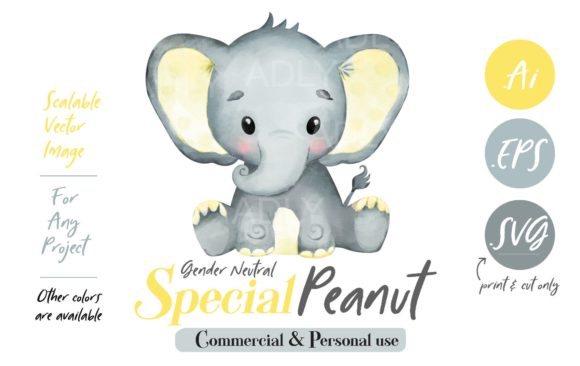
There is a certain quiet confidence that comes from opening a graphic design asset and immediately knowing where it belongs. The Yellow Baby Elephant Clip Art does exactly that. It presents a single, uncomplicated watercolor illustration of a gender‑neutral gray baby elephant with soft yellow ears — a visual that feels both decorative and deliberately understated. As someone who builds editorial layouts week after week, I look for assets that do not shout, but instead settle into a page with a natural, editorial rhythm. This piece brings a gentle warmth that works across multiple content niches without feeling forced or overly stylized.
The watercolor texture gives it a handmade, artistic quality that reads as authentic rather than mass‑produced. It creates a mood that is nurturing, playful, and slightly whimsical — ideal for lifestyle blogs, parenting content, early childhood education materials, and any publication that relies on emotional connection. The gray body with yellow ear accents keeps the palette neutral enough to layer over soft backgrounds, yet distinct enough to carry visual hierarchy in a thumbnail or a featured image. It is not a loud, commercial‑style illustration, and that is precisely its strength. In a publishing landscape where readers scroll past aggressive graphics, this kind of illustration invites a pause.
When a Single Illustration Changes a Page
Many blog graphics fail because they try to do too much. This asset succeeds by being singular and intentional. I have used similar watercolor illustrations as anchor graphics in article headers, and the difference in reader perception is immediate. The page feels curated, not cobbled together. The Yellow Baby Elephant Clip Art works as a visual cue that signals warmth, care, and a family‑friendly tone — without being limited to baby content alone. It can support content about gentle parenting, children’s book reviews, printable nursery art, or even a newsletter welcoming new subscribers with a soft, friendly touch.
From a design perspective, the asset’s simplicity is a gift. The clean silhouette holds up well at reduced sizes, and the watercolor wash provides enough texture to feel rich without overwhelming headline text. Because the file comes in multiple formats — SVG, EPS, and AI — it can be opened in professional graphic editing software and resized infinitely without losing quality. That is a critical point for blog designers who need one graphic to work across a hero image, a Pinterest pin, and a downloadable PDF without turning pixelated or inconsistent.
Blog Featured Images and Article Headers
When preparing a blog post, the featured image is where this illustration shines. Placed beside a serif headline, the elephant adds a charming, editorial counterpoint that feels like a small‑press magazine. Paired with a clean sans‑serif font, it anchors a modern, minimalist layout. I have tested a similar watercolor animal graphic in a live blog preview, and it immediately raised the perceived polish of the entire page. The Yellow Baby Elephant Clip Art produces that same lift — the article looks more considered, more trustworthy, and more clickable in a crowded social feed.
Pinterest Pins and Social Media Graphics
Pinterest remains a strong traffic driver for lifestyle and parenting blogs. A pin that uses a soft, hand‑painted illustration tends to stop the scroll better than a stock photo or a text‑heavy image. This graphic works exceptionally well as a pin’s focal point, especially when placed over a pastel background with a short, bold title. Its gender‑neutral palette also means it appeals to a broad audience, which is a smart consideration for affiliate marketers and content creators who want to avoid alienating any segment of their readers. The SVG format means the graphic can be dropped into Canva, resized, and layered without losing its delicate watercolor edge.
Digital Products and Lead Magnets
For online educators, newsletter creators, and small business owners who offer downloadable resources, the Yellow Baby Elephant Clip Art adds a polished, commercial‑grade finish to printables, worksheets, and digital guides. Imagine a set of baby shower planners, a children’s activity book, or a nursery rhyme ebook — this illustration becomes the unifying visual that ties the brand together. Because it is a single, well‑executed graphic, it does not compete with instructional text or form fields, making it ideal for covers and section dividers. The file’s compatibility with print‑and‑cut software like Silhouette and Cricut also opens the door to hybrid digital‑physical products, which many creative entrepreneurs rely on to diversify their income streams.
Strengthening Visual Communication Across Platforms
Good visual communication is about consistency and clarity. When a blog uses the same illustration style across multiple touchpoints — the website header, featured images, newsletter banners, and social media previews — readers begin to trust the brand. The Yellow Baby Elephant Clip Art can serve as a signature element that ties together a content site’s visual identity. I have used a single watercolor graphic as a category thumbnail, a podcast cover, and an email footer, and each time the audience recognized the brand before reading a word.
This asset also supports visual hierarchy naturally. The elephant’s rounded shape and soft edges draw the eye toward the center, which is exactly where you want a headline or a call‑to‑action. In a hero image, placing the illustration to the left of a strong headline creates a balanced, magazine‑style layout. On a mobile screen, the graphic scales down gracefully, retaining its charm without turning into a muddy blob — a common failing of overly detailed illustrations. The muted gray and yellow tones stay legible on both light and slightly tinted backgrounds, which is a practical advantage for web designers who need to maintain contrast ratios for accessibility.
Where This Asset Works Best — and Where It Needs Care
Over the years, I have learned that even the most beautiful graphic will fail if placed in the wrong context. The Yellow Baby Elephant Clip Art has clear strengths and a few limitations worth noting before you publish.
Ideal placements for this illustration:
- Hero images and article headers for family, parenting, and lifestyle blogs
- Pinterest pins and Instagram graphics targeting a nurturing, creative audience
- Blog category thumbnails and navigation icons
- Newsletter headers and lead magnet covers
- Downloadable printables, digital guides, and children’s activity sheets
- Media kit pages and small business branding materials
- Canva templates for social media stories and posts
Use with caution in these scenarios:
- Small mobile thumbnails where the elephant’s details may shrink too much — test at 150×150 pixels
- Text‑heavy blog images where the illustration competes with multiple lines of copy
- Low‑contrast backgrounds that wash out the soft gray and yellow
- Busy layouts with multiple competing graphics — this piece works best as a focal point, not a background element
- Serious professional niches like corporate law or financial services, where the playful tone would feel out of place
- Websites that need an extremely minimal, monochromatic visual system — the watercolor texture may introduce too much softness
Practical Publisher Notes Before You Download
I always run a short checklist before committing a new graphic design asset to a live site. Here is what I would test with the Yellow Baby Elephant Clip Art:
- Preview on desktop and mobile. The elephant should remain recognizable and charming at smaller screen widths. Check that the yellow ears do not bleed into the background.
- Test as a thumbnail. Reduce the graphic to 200×200 pixels and view it in a grid of other blog thumbnails. It should stand out without looking washed out.
- Place it inside a real blog layout — not just on a blank canvas. Surround it with a headline, excerpt, and date stamp to see how it anchors the content.
- Layer with headline text. Try a serif, a sans‑serif, a script, a handwritten, and a display font. The soft watercolor works beautifully with elegant serifs and playful handwritten fonts, but avoid pairing it with heavy, ultra‑bold type that competes for attention.
- Check contrast and readability. If you plan to overlay text directly on the illustration, ensure the watercolor area is light enough to keep the copy legible. A subtle drop shadow or a semi‑transparent overlay can help.
- View it in black and white. Even if you rarely print, this test reveals whether the graphic loses its shape. The elephant’s silhouette should hold up.
- Review file size for web performance. The SVG format is lightweight and scalable, which is excellent for Core Web Vitals. If you export to PNG, compress the image properly — aim for under 100KB for a featured image without visible quality loss.
- Confirm commercial licensing. Before using the graphic on monetized websites, affiliate pages, or paid content products, verify that the license covers commercial use. Many creative marketplaces offer a standard license for personal use, so always check the terms, especially if you plan to include the illustration in a digital product for sale.
The Editorial Value of a Consistent Graphic Style
When I look at the Yellow Baby Elephant Clip Art, I see more than a cute animal. I see a building block for a cohesive visual identity. Websites that perform well in content marketing often rely on a small set of recurring design assets — a signature illustration, a consistent color palette, a recognizable font pairing. This watercolor elephant can become that signature for a blog focused on early childhood, gentle parenting, or creative family life. It can pull together a Pinterest board, unify a blog category, and give a newsletter a friendly, human face.
The fact that it is a single, high‑quality illustration rather than a cluttered set means you can use it intentionally. It forces you to design around it rather than overloading a page with too many graphics. That restraint is a hallmark of professional editorial design. In a world where many blogs still rely on generic stock photos, a hand‑painted watercolor elephant feels like a deliberate choice — one that builds reader trust and reinforces brand identity.
Should You Download This Graphic Asset?
For publishers, bloggers, and content creators working in family, lifestyle, education, or creative niches, the Yellow Baby Elephant Clip Art is a versatile, high‑quality addition to your visual toolkit. It supports the kind of clean, editorial look that improves click‑through potential, strengthens category recognition, and makes every page feel more polished. The files are ready for professional graphic editing software, and the watercolor style is timeless enough to stay relevant across seasons and trends.
If you are building a website that needs to feel warm, trustworthy, and visually cohesive, this illustration offers a gentle, unpretentious anchor point. It does not demand attention — it earns it. And in today’s fast‑scrolling reading environment, that is exactly the kind of graphic design asset a publisher needs.