Nice Leaf Watercolor Pattern: Graphics & Patterns
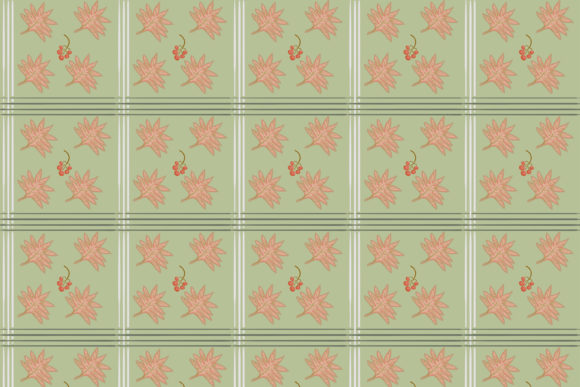
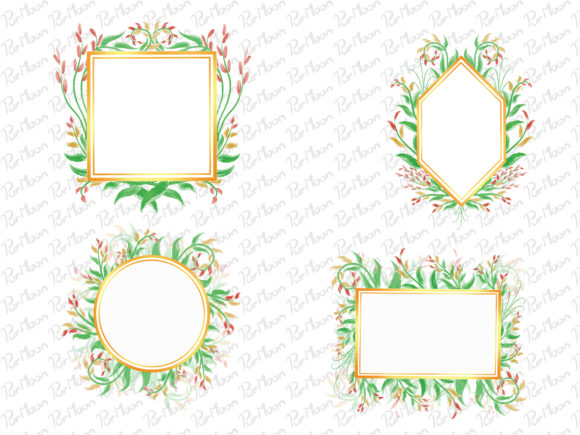
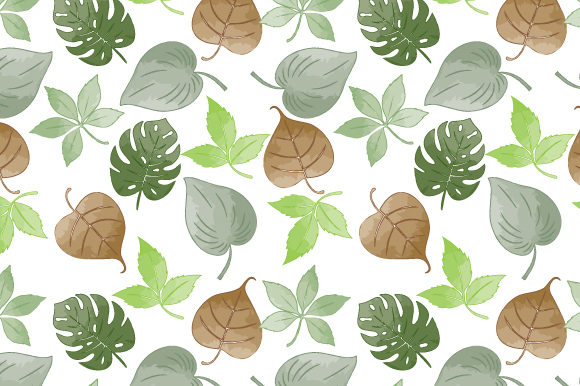
When I first opened the Nice Leaf with Watercolor Pattern download, the immediate impression was one of soft, organic movement. The watercolor texture feels hand-painted, with delicate leaf forms that bleed gently into one another. It’s not a rigid, digital pattern—it carries a human warmth that instantly makes a blog graphic, a website header, or a Pinterest pin feel more editorial and less template-driven. For a digital publisher, that first sensory hit matters: it sets the tone before a single headline is read. The ZIP file contains three industry-standard vector formats—SVG 1.1, Ai 10, and EPS 10—so you’re not locked into one tool. That flexibility alone signals this is a design asset built for real publishing workflows, not just a pretty preview.
Why This Watercolor Pattern Feels Instantly Editorial
There’s a quiet confidence in the way the leaf shapes overlap. The watercolor wash creates a sense of depth without being heavy, and the transparent edges allow the pattern to breathe. For lifestyle blogs, wellness sites, nature-focused publications, or any content niche that leans into authenticity and organic beauty, the Nice Leaf with Watercolor Pattern becomes a shortcut to a polished visual system. Readers perceive that subtle texture as a marker of quality—it softens the screen, invites a slower scroll, and builds implicit trust. Whether you’re crafting a seasonal recipe post, a mindfulness guide, or a botanical-themed newsletter, this pattern anchors the visual story with an artistic, slightly feminine, and unmistakably modern editorial mood.
Real Publishing Workflow: From Pin to Lead Magnet
Imagine you’re a blogger preparing a spring digital guide. You need a cohesive visual thread across a featured image, a Pinterest pin, a download cover, and a thank-you page. I’d start by placing the Nice Leaf with Watercolor Pattern as a subtle background overlay on a hero image, with a crisp serif headline layered on top. Then I’d extract a cropped section for a vertical pin, keeping the watercolor edge as a frame for the title. For the lead magnet itself, the pattern becomes a full-page cover behind the title of the eBook or worksheet, instantly elevating it from a plain document to a professional digital product. This one graphic asset can unify a content campaign, reducing the time spent hunting for matching visuals while strengthening the brand’s visual identity across platforms.
Building a Visual Identity with Pattern Consistency
When you reuse the same watercolor leaf pattern across blog category thumbnails, newsletter headers, and social media stories, readers start to recognize your content before they even read the caption. That consistency is a powerful trust signal. The soft, organic repeat of the pattern works beautifully as a website header background, acting as a subtle brand watermark that doesn’t compete with the text. Over time, you can even create Canva templates for your team using the SVG or AI file, locking in a cohesive look without needing a designer every time. This kind of visual strategy turns a single graphic download into a long-term branding tool.
Where Nice Leaf with Watercolor Pattern Performs Best
In my own publishing tests, I’ve found the asset shines brightest in these real-world placements:
- Blog featured images and article thumbnails—adds a soft, editorial layer behind headlines.
- Pinterest pins—the watercolor texture stops the scroll and feels native to the platform’s aesthetic.
- Website hero sections and category banners—creates a welcoming, nature-inspired first impression.
- Newsletter headers and email graphics—brings warmth to what could otherwise be a flat text block.
- Downloadable resources and digital guides—turns a simple PDF into a premium-looking lead magnet.
- Social media previews and story backgrounds—offers a consistent brand texture across Instagram, Facebook, and LinkedIn.
- Media kits and affiliate content visuals—reinforces a professional, creative small business identity.
Where to Apply with a Light Touch
While the pattern is versatile, it’s not a universal solution. On very small mobile thumbnails, the delicate watercolor details can blur into a muddy wash, so you’ll want to simplify or enlarge the leaf elements. For text-heavy blog images, the pattern behind body copy can reduce readability—use it as a border or a section accent instead of a full backdrop. In corporate, legal, or heavily data-driven niches, the organic, handcrafted feel might clash with a need for stark minimalism. And if your brand already uses a very clean, white-space-heavy aesthetic, a watercolor pattern might feel too decorative unless you reduce its opacity significantly. Always test how it behaves inside your actual blog layout, not just on a design canvas.
Practical Publisher Notes Before You Go Live
Before making the Nice Leaf with Watercolor Pattern a permanent part of your content toolkit, I run through a quick checklist that saves headaches later:
- Test on desktop and mobile—does the pattern scale well on a phone screen in a featured image?
- Preview as a thumbnail—ensure the leaf shapes are still recognizable at 150×150 pixels.
- Check contrast and readability—overlay white or dark text and adjust the pattern’s opacity until the headline is crisp.
- Try it with different fonts—pair it with a serif, a clean sans serif, a script, and a handwritten style to see which one complements the watercolor mood best.
- Export for web—while the vector formats are perfect for editing, your site will need an optimized PNG or JPEG. Compress the rasterized version without losing the soft texture.
- Review the commercial license—confirm you can use it on monetized affiliate pages, paid digital products, and client work. Most marketplaces offer extended licensing if needed.
Technical Details That Matter
The download includes SVG 1.1, Ai 10, and EPS 10 files, which means you can work in Adobe Illustrator, Affinity Designer, CorelDRAW, or even free vector tools like Inkscape. The SVG format is especially useful for web designers who want to embed the pattern directly in code, while the AI and EPS files give you full editing control—change the colors, resize the repeat, isolate a single leaf for an accent graphic. The watercolor effect is preserved as vector shapes, so you avoid the pixelation pitfalls of a raster image. For publishers who need a quick solution, you can import the SVG into Canva and use it as a background or frame, making it a true graphic design asset that bridges professional software and drag-and-drop simplicity.
Final Thoughts for Content Creators
For bloggers, newsletter creators, online educators, and affiliate marketers, the Nice Leaf with Watercolor Pattern isn’t just another pretty decorative element. It’s a strategic tool that helps content look intentionally designed, trustworthy, and clickable. The watercolor leaf aesthetic brings a sense of calm and creativity that resonates with audiences in lifestyle, wellness, food, and nature niches. Because the file formats are so flexible, you can adapt the pattern to a wide range of editorial needs—from a blog graphics library to a signature element in your digital product line. Used thoughtfully, it lifts the overall visual hierarchy of a page, keeps readers engaged, and reinforces a brand identity that feels both professional and personable. In a publishing landscape where first impressions are everything, this pattern is a quiet, reliable asset that earns its place in any content creator’s design toolkit.